
Scope in various fields after grade 12
Join Counzee Today and Unlock Your Potential!
With personalized career guidance tailored to your aspirations. Let us help you navigate your path to success with expert advice and support every step of the way.
Share
Choosing what to do after grade 12
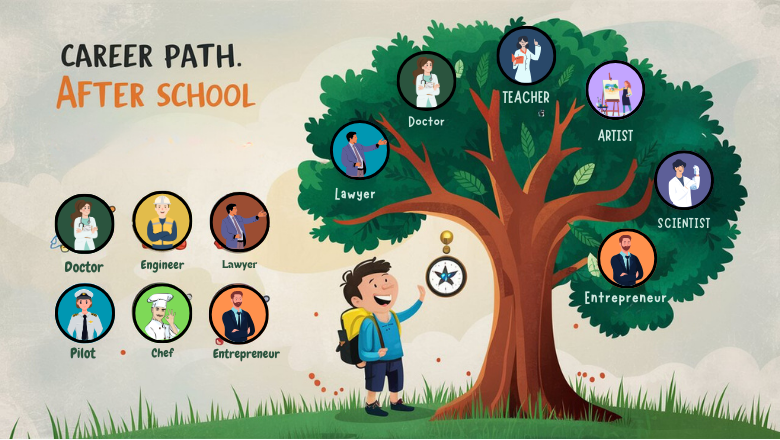
Making a decision about what to pursue after grade 12 is crucial because it affects all of one’s future activities. This choice affects not just one’s professional possibilities but also one’s own personal development. It offers a chance to match personal interests and goals with academic endeavours or professional training, guaranteeing a rewarding and meaningful future. Furthermore, decisions taken following high school have an impact on financial concerns, career competitiveness, and long-term objectives. Through meticulous consideration of alternatives, coaching, and well-informed decision-making, students can set out on a path that establishes a solid basis for career and personal fulfilment.
Importance of knowing the various scopes available
Before deciding on a career route, students must have a thorough understanding of the many opportunities that arise following grade 12. By providing people with information about the range of options accessible, such as pursuing further education, obtaining vocational training, or starting their own business, it gives them more authority. Students can make decisions that are in line with their interests, abilities, and long-term objectives by investigating these options. Furthermore, by being aware of the many scopes, students can investigate additional options that would better fit their goals and situation. It helps students to balance the advantages and disadvantages of each option, take into account aspects like personal preferences and financial ramifications, and ultimately make an informed decision that puts them on the road to success in their chosen vocation.
Navigating Your Career Path
Navigating Your Career Path: A Comprehensive Guide to Career Awareness is a plan of action intended to enable people to make knowledgeable decisions on their career path. This guide lays the foundation for strategic career planning by offering priceless insights into identifying one’s abilities, interests, and objectives. Readers gain the ability to evaluate their values and skills, investigate several career alternatives, and match them with opportunities by following a methodical process. This all-inclusive resource provides people with the skills and information necessary to successfully negotiate the intricacies of the contemporary labour market, from investigating school options to utilising networking and mentorship. Readers contemplating a career shift or starting their first job search will find useful guidance, doable tasks, and motivational tales to help them on their way to a rewarding and prosperous career. With “Navigating Your Career Path,” individuals gain the confidence and clarity needed to take ownership of their professional destiny and thrive in today’s dynamic workforce.
Adaptability
The modern job market is changing quickly, thus flexibility is essential. Because of societal trends, economic fluctuations, and technological breakthroughs, career landscapes can change quickly. With the process of career planning, students develop the ability to adjust to shifting circumstances and difficulties through the career planning process. They grow the resilience necessary to overcome obstacles and pursue alternate paths to success, and they recognise that job choices may change over time.
Unlock Your Potential
By establishing connections with mentors, business executives, and classmates who share interests, career planning encourages students to develop their professional networks at an early age. Future employment chances, assistance, and insightful information can be obtained from these contacts.

Self Awareness
Career planning involves more than just choosing a profession; it also involves personal development and fulfilment. Students who possess self-awareness are more likely to strive for excellence and follow career routes that suit their changing interests and goals since it promotes ongoing self-improvement and personal development.
Clarification of Goals
Students who plan their careers are better able to identify their interests, strengths, and weaknesses. They may create clear goals that are in line with their aspirations because of this clarity. Students are better able to define their short- and long-term objectives. Students can set precise, attainable career targets and create practical plans to work towards them by knowing their motivations and aspirations.
Financial Planning
Financial planning requires an understanding of the earning potential and financial considerations of various jobs. Students who plan their careers are better able to set financial goals, project their finances realistically, and secure their financial future.

Improved Academic Achievements
Students are frequently more driven to achieve academic success when they have a clear idea of what they want to do for a living. They are aware of how their education relates to the career they want, which can help them achieve better academic standing.
Reduced Anxiety and Stress
Students may experience tension and anxiety as a result of future uncertainty. These worries are allayed by career planning, which offers a well-organized road map for reaching professional objectives. Students can feel more confident and generally better about themselves when they know they are working towards a clear goal.
Long-term Satisfaction
Ultimately, successful career planning raises students’ chances of discovering satisfying jobs that fit their talents, values, and interests. In the long run, this results in higher levels of job satisfaction and general life fulfilment.

Thus, students can benefit much from career planning, which is crucial for their future success. Career planning helps students make educated decisions, follow their passions, and negotiate the ever-changing employment market by promoting self-awareness, adaptability, and consistency. In the end, it gives them the abilities, self-assurance, and fortitude required to realize their professional ambitions and enjoy happy lives.
Steps for a better Career Planning
Self-Assessment
Effective career planning must include self-assessment because it entails reflecting on and analysing one’s values, interests, strengths, and limitations as well as personality features. A crucial first step in career planning is self-assessment, which enables people to identify their interests, abilities, and values and make well-informed decisions and realistic goals. Through the dedication of time and energy towards introspection and assessment students can establish the foundation for a rewarding and prosperous professional path.
Research
Research is a foundation of powerful vocation direction, offering important bits of knowledge that enable people to settle on informed conclusions about their expert prospects. By diving into different enterprises, work jobs, and instructive pathways, research permits people to investigate their inclinations, abilities, and values in arrangement with potential profession choices. It gives admittance to critical data about work market patterns, instructive prerequisites, and learning experiences, directing people towards reasonable and attainable profession objectives. Also, research cultivates certainty by furnishing people with the information expected to explore difficulties and adjust to changes in their picked fields. Eventually, research fills in as a directing light, enlightening the way towards satisfying and effective vocations.
Setting Goals
Setting goals is fundamental in vocation direction for students as it gives a reasonable guide to their expert process. By characterizing explicit and reachable targets, students can concentrate their endeavors, remain roused, and keep tabs on their development really. Whether holding back nothing, ability improvement targets, or professional success desires, defining objectives assists students with explaining their aspirations and make proactive strides towards acknowledging them. Furthermore, goal setting imparts a feeling of direction and course, engaging the students to settle on informed choices and defeat hindrances en route.

Eventually, by laying out significant objectives, they can establish the groundwork for a fruitful and satisfying career path.
Exploring Educational Opportunities
Investigating educational opportunities may be a significant aspect of career arranging for school students, because it prepares them with the information and aptitudes required to flourish in their chosen areas. By inquiring about different instructive pathways, counting college degrees, professional preparing, apprenticeships, or certification programs, students can recognize the foremost reasonable alternatives adjusted with their career objectives. This investigation permits students to understand the scholarly necessities, educational modules offerings, and practical encounters related with distinctive educational courses. Additionally, by picking up experiences into educational institutions, grant openings, and budgetary help choices, students can make educated choices that clear the way for their future victory. Eventually, investigating educational opportunities enables students to embark on a travel of long lasting learning and proficient improvement.
Gaining Experience
Gaining experience is fundamental in career planning for school students because it gives important opportunities for expertise development, self-discovery, and proficient growth. Through internships, part-time employments, volunteer work, or extracurricular exercises, students can apply classroom knowledge in real-world settings, picking up viable experiences into their areas of interest. This hands-on experience not only enhances their resumes but too helps them explore diverse career ways, clarify their goals, and create fundamental working environment aptitudes such as communication, cooperation, and problem-solving. In addition, presentation to different work situations cultivates flexibility and versatility, planning students for the energetic nature of the cutting edge work showcase. Eventually, gaining experience enables students to create educated career choices and set out on pathways that align with their interests and qualities.
Skills Development
Developing skills is crucial in career arranging for students because it prepares them with the competencies required exceeding expectations in their chosen areas. By centering on sharpening both soft skills, such as communication, teamwork, and problem-solving, and technical skills particular to their desired careers, students improve their employability and versatility in a competitive work advertise. Engaging in extracurricular activities, internships, or part-time occupations gives valuable opportunities to practice and refine these aptitudes in real-world settings. Furthermore, continuous learning and seeking out openings for skill development empower students to remain side by side of industry trends and technological advancements, guaranteeing their availability to handle future challenges. Eventually, by contributing in skill development, students reinforce their certainty, increase their attractiveness, and clear the way for a fruitful and satisfying career travel.
Skills Development
Developing skills is crucial in career arranging for students because it prepares them with the competencies required exceeding expectations in their chosen areas. By centering on sharpening both soft skills, such as communication, teamwork, and problem-solving, and technical skills particular to their desired careers, students improve their employability and versatility in a competitive work advertise. Engaging in extracurricular activities, internships, or part-time occupations gives valuable opportunities to practice and refine these aptitudes in real-world settings. Furthermore, continuous learning and seeking out openings for skill development empower students to remain side by side of industry trends and technological advancements, guaranteeing their availability to handle future challenges. Eventually, by contributing in skill development, students reinforce their certainty, increase their attractiveness, and clear the way for a fruitful and satisfying career travel
Seeking Guidance
Seeking guidance is vital in career advancement for school students because it offers invaluable support, mentorship, and bits of knowledge to explore the complexities of career planning. Proficient direction from instructors, guardians, coaches, or career counselors gives students with personalized counsel tailored to their interests, qualities, and goals. These coaches offer valuable perspectives, helping students explore diverse career alternatives, set realistic goals, and make educated choices around their educational and professional ways. Additionally, looking for guidance cultivates self-awareness and certainty, enabling students to overcome challenges, use their strengths, and capitalize on opportunities. By tapping into the intelligence and involvement of coaches, students gain the knowledge and resources required to embark on a rewarding and satisfying career journey.
Stay Updated
Staying updated with the chosen field is fundamental in career planning for school students because it empowers them to remain relevant and competitive in quickly advancing industries. By remaining side by side of industry trends, innovative progressions, and developing opportunities, students can expect changes in their chosen areas and adjust their career strategies accordingly. Engaging in persistent learning through courses, workshops, seminars, or online resources keeps students educated around the most recent advancements and best practices in their areas of interest. Moreover, remaining updated fosters a proactive attitude, enabling students to seize modern opportunities, expand their skill sets, and maintain a competitive edge within the job market. Eventually, by prioritizing progressing instruction and remaining educated, students position themselves for long-term victory and development in their chosen careers.

In conclusion, career planning for school students could be a multifaceted journey that requires careful consideration, proactive engagement, and ceaseless learning. By exploring their interests, researching different career choices, setting goals, gaining experience, developing skills, looking for guidance, and remaining updated with their chosen areas, students lay the foundation for a fruitful and satisfying proficient future. Through this handle, students not only gain clarity around their desires but also develop the versatility, adaptability, and confidence required to explore the complexities of the modern job market. With devotion, tirelessness, and a proactive approach to career planning, school students can set out on a way that adjusts with their passions, values, and abilities, leading to a fulfilling and important career journey.
Counzee offers a range of services including personalized career counseling, skill development programs, college admissions guidance, and career exploration workshops.
Counzee helps you understand your strengths, interests, and values through personalized assessments and counseling sessions, guiding you towards career paths that align with your goals.
Yes, Counzee’s services are tailored to meet the needs of high school students, providing guidance and support to help them make informed decisions about their future.
Yes, Counzee provides assistance with college admissions, including guidance on choosing the right colleges, completing applications, and preparing for admission interviews.
Getting started with Counzee is easy! Simply contact us to schedule a consultation with one of our experienced counselors, and we’ll guide you through the process step by step.